











The Universe Has a Vendetta Against One Specific Man
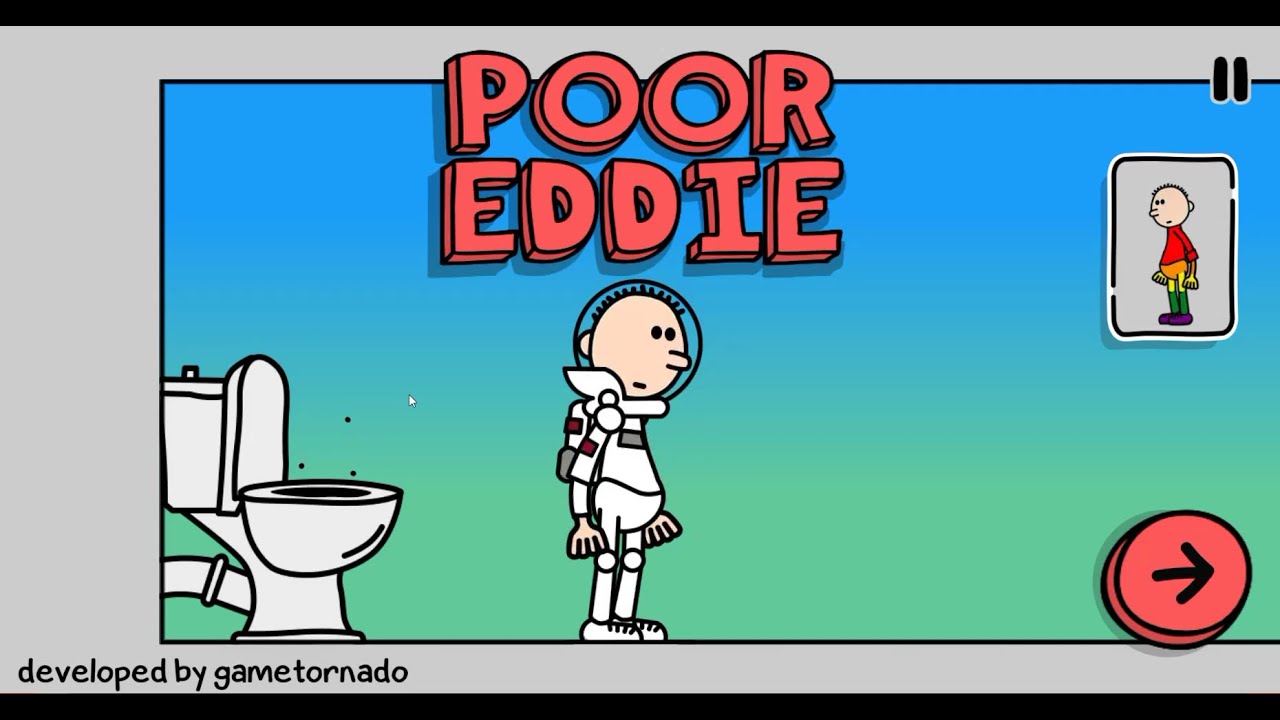
Poor Eddie is built around a character who has been placed in environments specifically designed to cause him harm — and your job is to navigate those environments using physics interactions, object manipulation, and timing. The dark comedy is inherent to the format: Eddie is earnest, the hazards are excessive, and the gap between expectation and outcome is consistently entertaining. The puzzles themselves are genuine brain-teasers that happen to be wrapped in slapstick physical consequence.
Reading the Physics Before Eddie Does
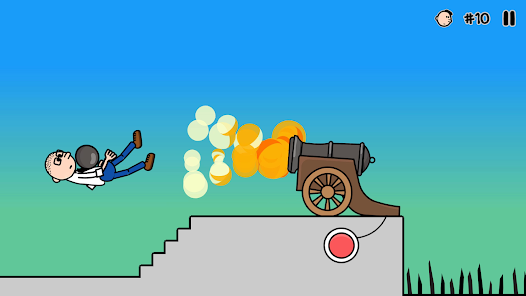
Each puzzle presents a scene loaded with interactive elements — pendulums, falling objects, pressure plates, switches — and asks you to deduce the correct sequence to either protect Eddie from harm or guide him to safety. The physics simulation is honest and consistent, which means failed solutions usually reveal exactly why they failed and point toward the correct adjustment. The "aha" moment when you understand the intended solution lands cleanly because the path is logical in retrospect, even when it wasn’t obvious at first glance.
Humor That Sharpens Rather Than Dulls the Puzzle Design
The comedic framing serves the game design rather than distracting from it. Because Eddie’s predicaments are visually expressive and outcomes are physically dramatized, wrong answers feel entertaining rather than merely punishing. That emotional cushioning makes Poor Eddie approachable for players who find conventional puzzle games frustrating — the game rewards persistence with laughs along the way, which lowers the cost of repeated attempts enough to keep most players engaged past the puzzles that would otherwise cause abandonment.
Comments 0