










When the Track Is the Only Obstacle That Matters
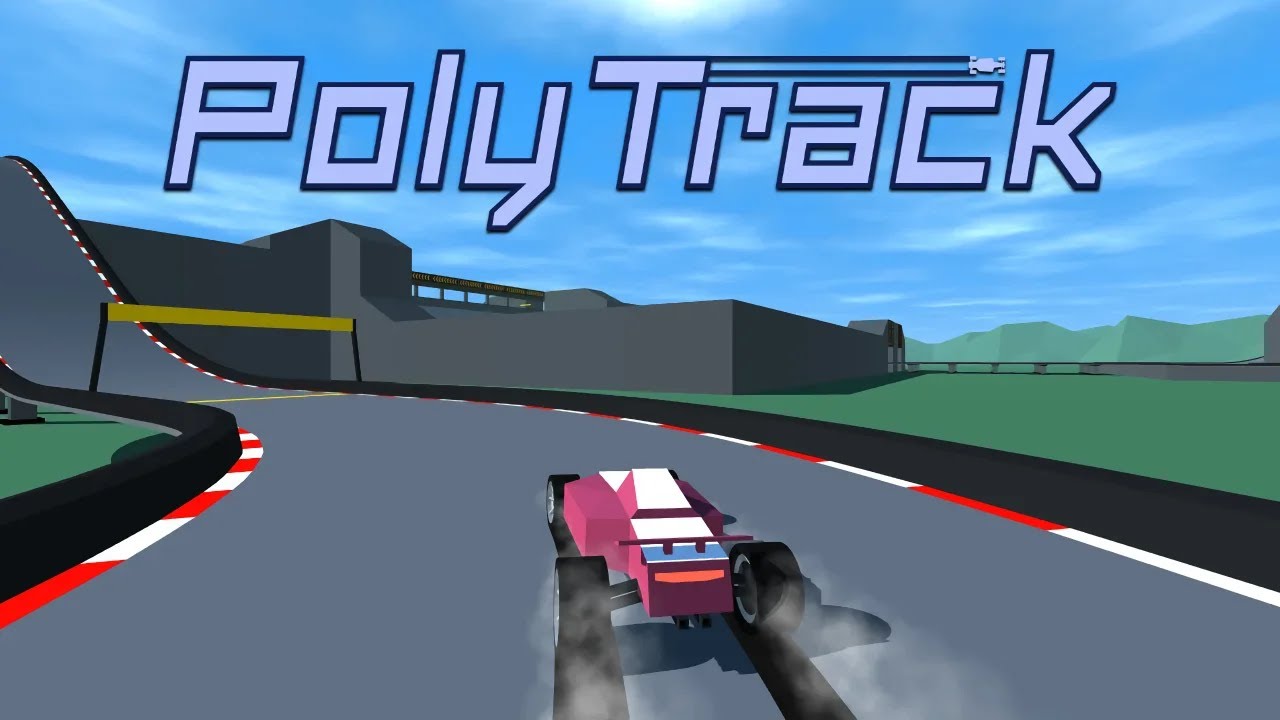
Time attack racing is the purest form of the genre — no opponents to block, no weather to manage, just you, the track, and the stopwatch. Polytrack embraces this philosophy with low-polygon geometric tracks that strip visual noise down to the essential information: surface, edge, corner, boost pad. Inspired by TrackMania’s approach to course design, each track is a series of challenges with a single best line that only becomes apparent after several runs through it.
The Millisecond Negotiation at Every Corner
Learning a Polytrack course is a process of incremental refinement. A first lap establishes the basic layout and reveals the corners that require braking. A second lap attempts to carry more speed through those corners. A third identifies exactly where you’re losing time — the apex you’re hitting a meter too late, the boost pad you’re missing by clipping the wrong line. The tight controls mean errors are the driver’s fault, not the game’s, which makes personal bests feel genuinely earned rather than lucky.
Minimalism as a Design Statement
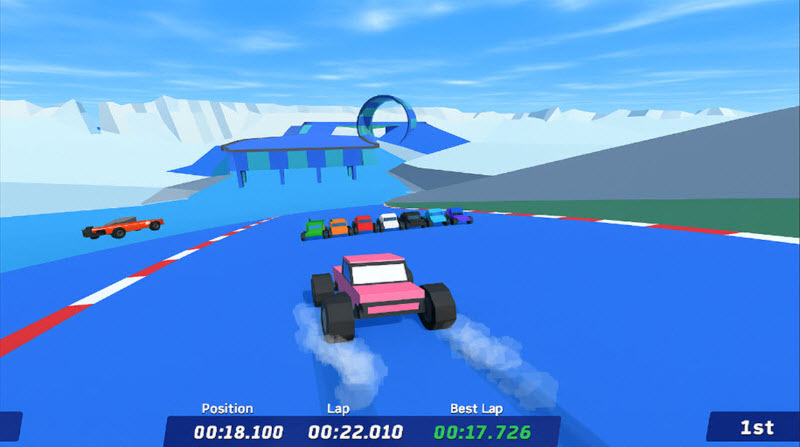
The low-poly aesthetic isn’t a budget limitation — it’s a clarity decision. With geometric surfaces and clean color separation between track and environment, nothing competes for attention with the line you’re trying to drive. Boost pads are immediately visible, corners read clearly from approach, and the car’s position relative to the track edge is always legible. Polytrack proves that racing games don’t need photorealistic visuals to deliver genuine driving satisfaction — they need well-designed tracks and controls that reward the player for learning them.
Comments 0