









When the Rules of Physics File a Formal Complaint
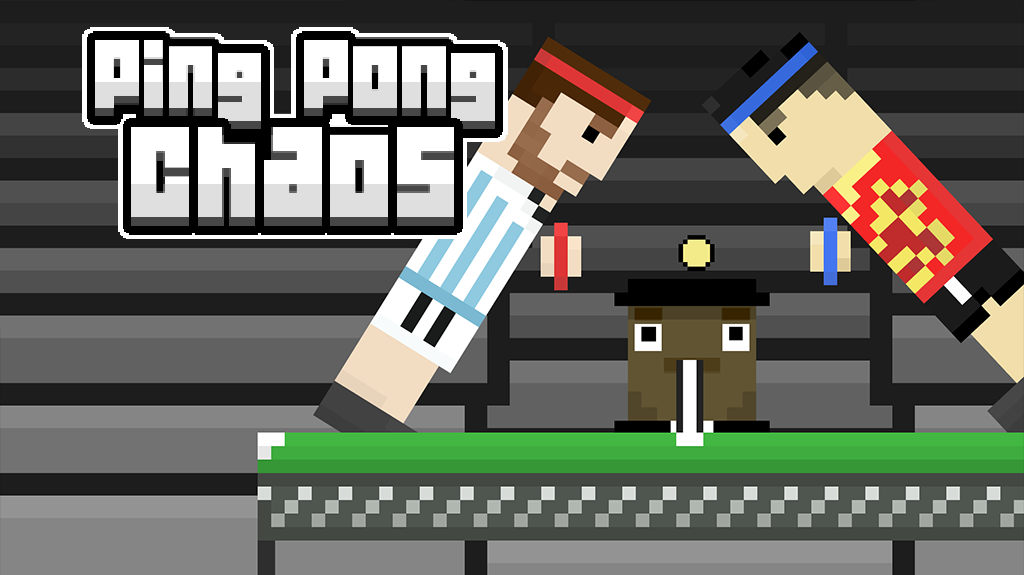
Standard table tennis is a sport of millimeter precision and lightning-fast reflexes. Ping Pong Chaos takes that foundation and gleefully detonates it — paddles wobble unpredictably, power-ups flip physics mid-rally, and obstacles appear on the table at exactly the wrong moment for both players simultaneously. The result is something halfway between sport and comedy that nevertheless requires genuine timing and spatial awareness to win consistently.
Reading the Mayhem Before It Reads You
The trick to Ping Pong Chaos is accepting that control is partial and adjusting your strategy accordingly. Power-up timing becomes critical — grabbing the right modifier before your opponent does can flip a losing rally into a decisive point. The unpredictable ball behavior after obstacle interactions rewards players who stay mobile and cover multiple return angles rather than committing early to one side. Chaos isn’t equally distributed; the player who panics less wins more.
Best Played With an Audience of One More
Like the best multiplayer party games, Ping Pong Chaos generates moments that are funny and genuinely competitive simultaneously — a ball that bounces off three obstacles and somehow lands in bounds, a perfectly timed power-up that inverts your opponent’s controls at the worst possible moment. The short match format means comebacks are always possible and the score rarely stays comfortable for long. Whether you’re competing against a friend or the AI, the entropy is the entire point.
Comments 0