







Land Here. Don't Hit That.
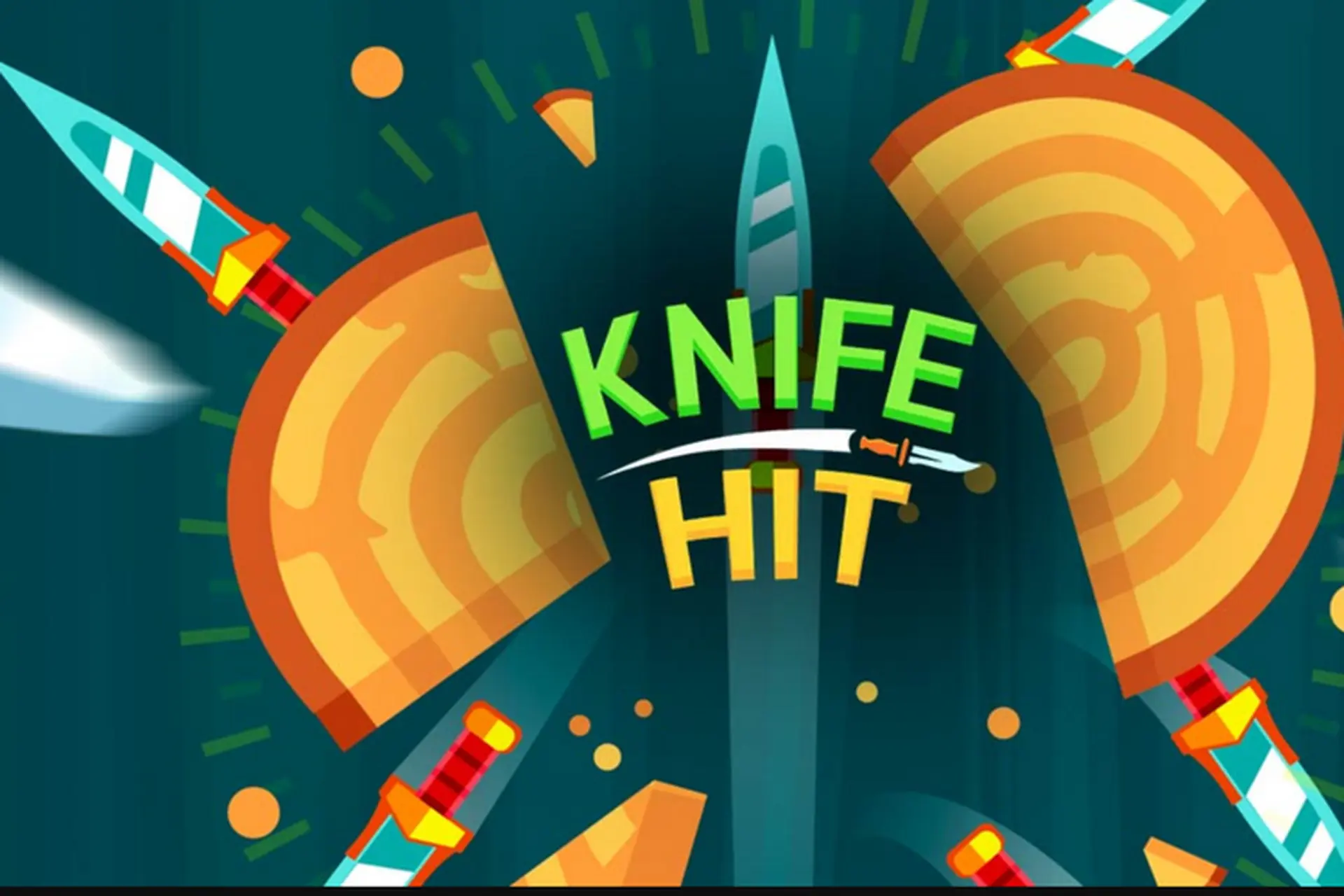
The log spins. Knives are already buried in it. Your job in Knife Hit, the precision arcade game by Ketchapp, is to throw your remaining blades into the gaps — the narrow windows between existing knives where a new one can land safely. Hit a knife already embedded and the level resets. The concept is simple enough to understand in seconds, and the execution requires a kind of micro-patience that the game escalates gradually: early levels give wide gaps and slow rotations; later ones cluster knives so tightly that the margin for a clean throw shrinks to a fraction of a second.
Reading the Rotation
The log doesn't hold a constant speed. It accelerates mid-throw, reverses direction without warning, and sometimes combines both — changing spin just as you've committed to a gap that no longer exists. The skill Knife Hit builds isn't raw reaction time; it's the ability to watch one full rotation before committing, identify the widest gap, and time the release to the rhythm of the spin rather than guessing. Forced patience in the early game becomes trained instinct by the later levels, where gaps appear and disappear faster than deliberate thought allows.
Boss Logs and What Changes When the Rules Do
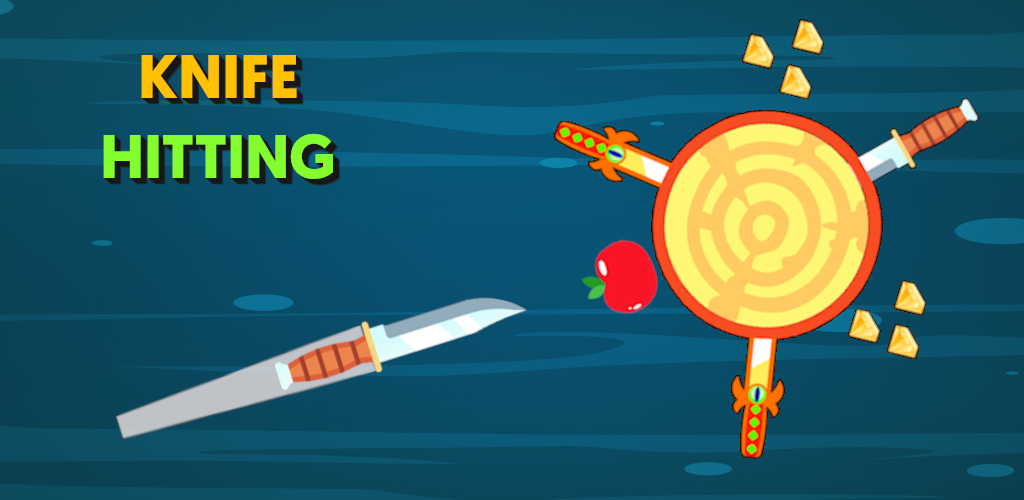
Boss stages interrupt the standard loop with an added objective: hit apple targets embedded in the log while still avoiding knives. Apples must be hit in order, which means you can't always target the nearest open gap — sometimes the gap you want is blocked by a required apple, forcing a specific throw sequence. Boss logs also spin faster and change direction more aggressively than standard ones. Treat them as a separate skill test: the timing intuition from normal levels carries over, but the sequencing logic requires a few attempts to map before the correct throw order becomes clear.
Comments 0