











The Loop's Most Dangerous Day Yet
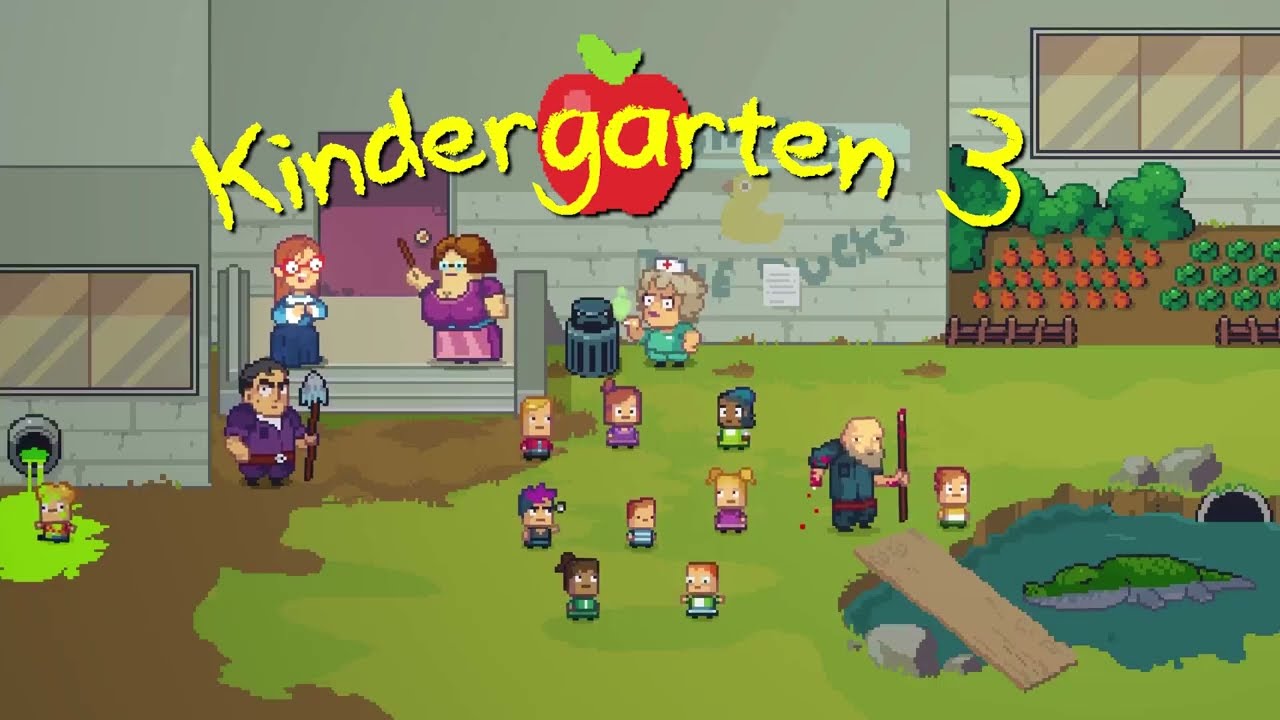
Every day you wake up. Every day you learn something new. By the time Kindergarten 3 begins, the school's corruption is no longer a background detail — it is the central force every student and mission is orbiting. The third entry in Con Man Games' dark comedy series introduces a new cast while drawing on threads left unresolved from the first two games, and the missions reflect a developer who has fully mastered the format. Storylines are longer, more branching, and more willing to confront the school's darkest secrets head-on rather than leaving them as implications.
A Story That Rewards Series Veterans
Kindergarten 3 is designed for players who have spent time in the loop before. References to prior games' events carry real weight here — characters acknowledge history in ways that read as background texture for newcomers but as earned payoff for veterans. The new students each sit at a different intersection of the school's power structure, and completing their storylines reveals connections that span all three games. The conspiracy that began as a dark undertone in the first entry becomes, by the end of the third, something the game can finally and fully articulate.
Getting the Most From Each Run
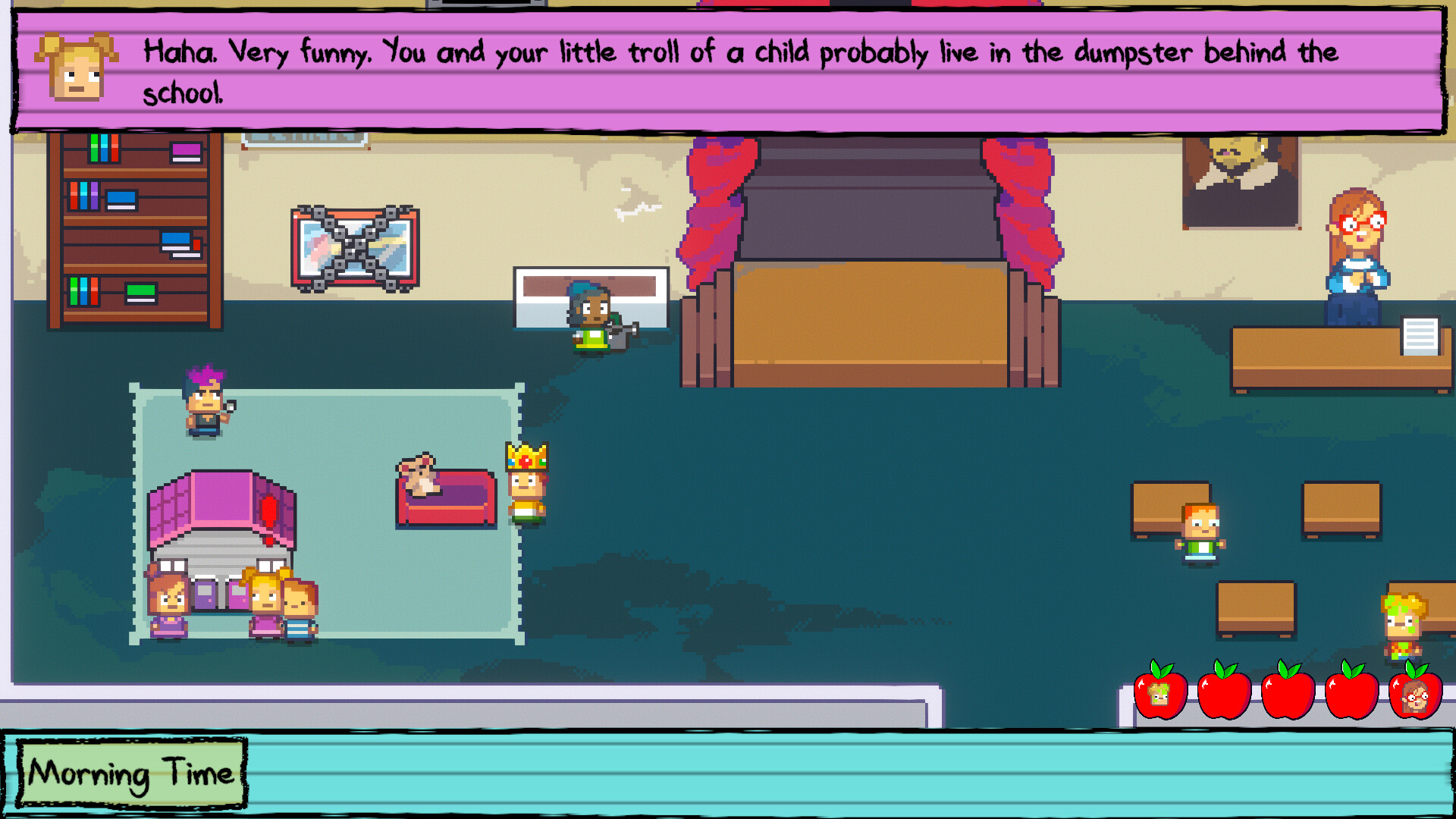
Kindergarten 3's missions are more branching than its predecessors, which means that dead-ending a run is both more likely and more informative than before. When a mission path closes, note exactly where it closed and what item or action triggered the wall — that information is almost always the key to a different approach later. Dialogue during free periods contains more active hints than in previous games, so do not treat it as set-dressing. For players who have not completed the earlier games: some revelations in Kindergarten 3 land significantly harder with context, making it worth returning to the beginning of the loop first.
Comments 0