








A New Wing. The Same Murderous Day.
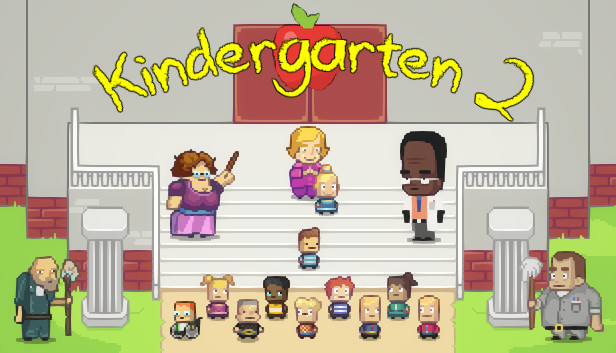
The loop restarts, but the surroundings have changed. Kindergarten 2 moves the setting to a different wing of the school and introduces an entirely new cast of students, each carrying storylines that are more elaborate and more interconnected than those in the original. Released in 2019 by Con Man Games, the sequel assumes you understand how the loop works and immediately raises the stakes — missions are longer, the consequences of choices ripple further, and the conspiracy threading through the school's faculty and administration grows into something considerably darker than what the first game implied.
New Students, Deeper Storylines
Where the original Kindergarten introduced the concept of returning characters with interlocking secrets, Kindergarten 2 fully commits to it. The new students are not reskins of familiar archetypes — each has a distinct voice, a unique mission chain, and revelations that connect to the broader school conspiracy in ways that only become clear once you have completed several other arcs. The game rewards players who remember details from earlier runs and look for inconsistencies: a comment made during one student's story will suddenly explain something strange from another's mission three runs earlier.
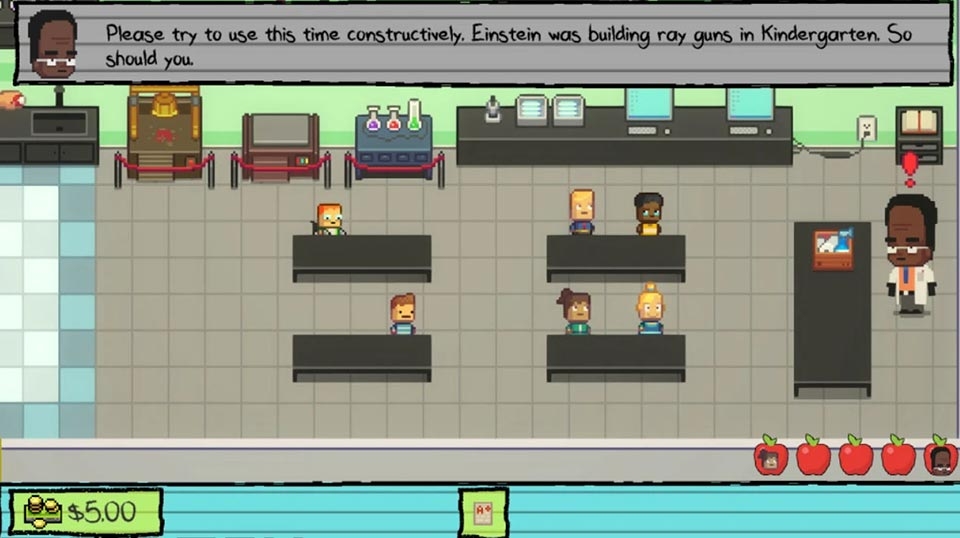
Approaching the New Missions
If you played the first game, most instincts carry over — never skip dialogue, pay attention to item requirements before committing to a mission path, and expect early runs to dead-end on purpose. What Kindergarten 2 adds is a greater density of decision points: some missions branch earlier, and taking the wrong branch does not immediately kill you but locks you out of content for that run. Keep a mental note of which students react unusually to specific items. And unlike the original, some of the most important story details are buried in background conversations you can easily miss if you move too quickly between class periods.
Comments 0