









Something Outside Wants In
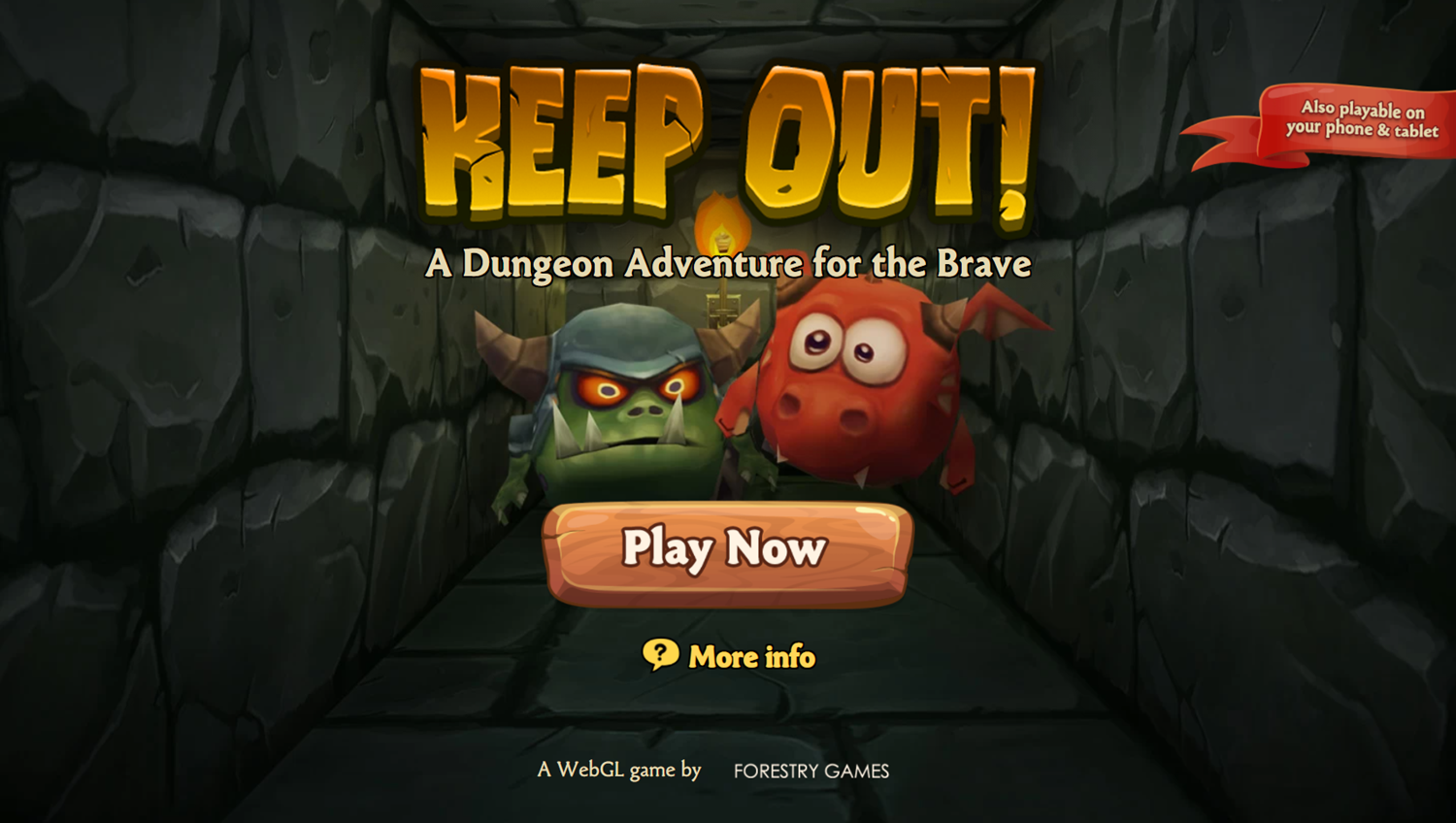
The sign on the door says Keep Out, but whatever is outside does not read signs. Keep Out delivers a survival horror experience that operates entirely on atmosphere and creeping dread — the tension of knowing a threat is nearby without being certain where it is or when it will act. Every sound effect is a data point. Every shadow in a doorway is a question mark. The game strips away the action-horror safety net of overwhelming firepower and replaces it with something more unsettling: patience. You survive not by fighting but by staying quiet, staying still, and making each decision with the awareness that a wrong move may be your last.
The Geometry of Fear
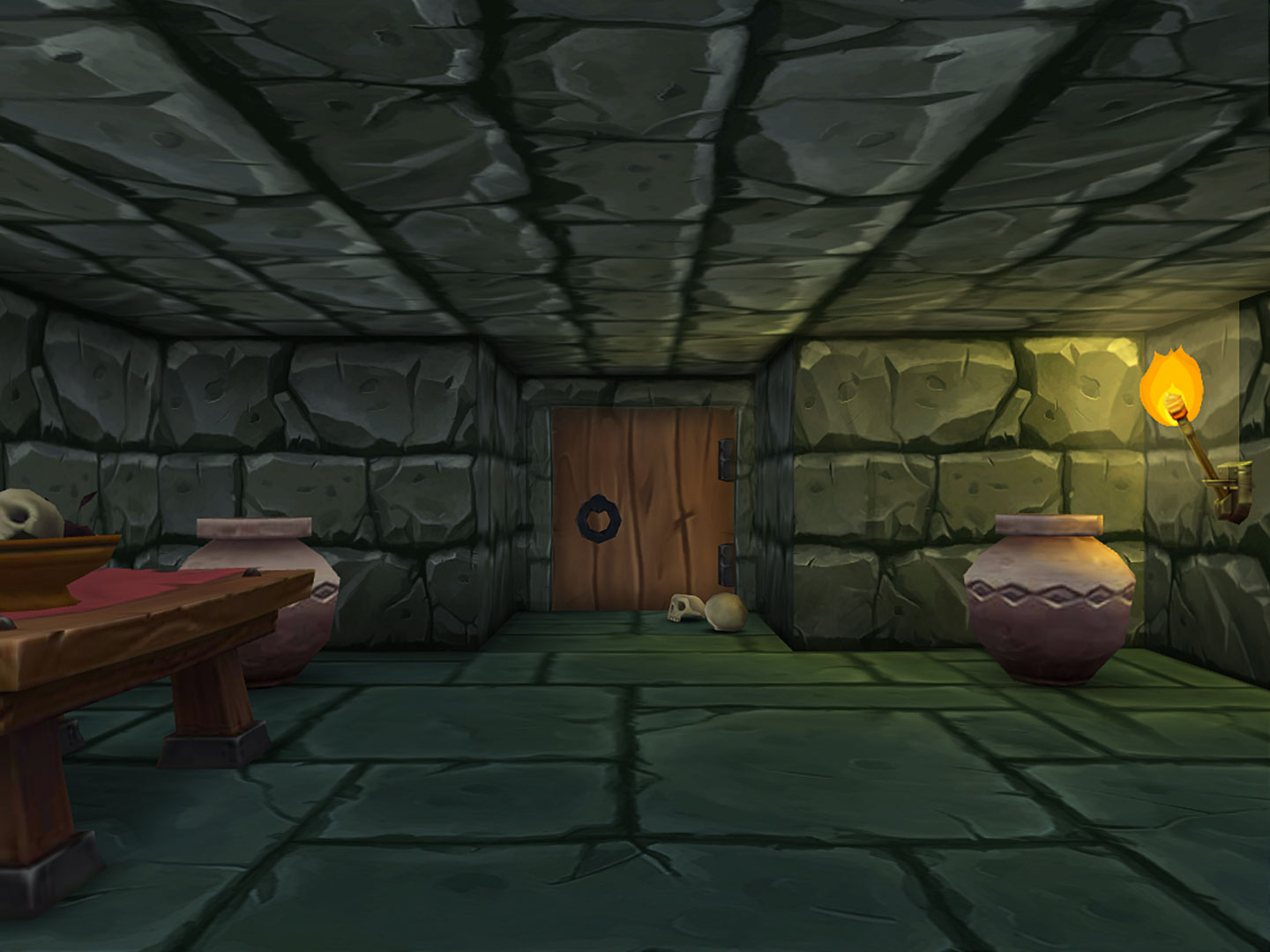
What makes Keep Out work as a horror experience is its attention to spatial design. The environments are laid out to create unavoidable vulnerabilities — a corridor that must be crossed, a room that offers no hiding places, a door you need to reach that requires crossing the intruder's patrol path. These bottlenecks are not unfair; they are deliberately constructed moments of maximum tension where the player must commit to a window of movement and trust their read of the threat's position. Getting it right is a quiet triumph. Getting it wrong is a gut-punch restart.
Patience as the Core Mechanic
Horror games that allow players to rush their way through rarely generate genuine fear — the pace at which Keep Out must be played is itself part of the design. Moving carefully, stopping to listen, retreating when uncertain rather than pressing forward: these behaviours feel counterintuitive in a game but are the only reliable path to survival. Players who carry action-game reflexes into Keep Out will die frequently and confusedly. Players who let the game teach them its rhythm will find that the dread becomes a kind of focused calm, and that calm is when the game reveals its real depth.
Comments 0