











Ride the Shell, Read the Timing
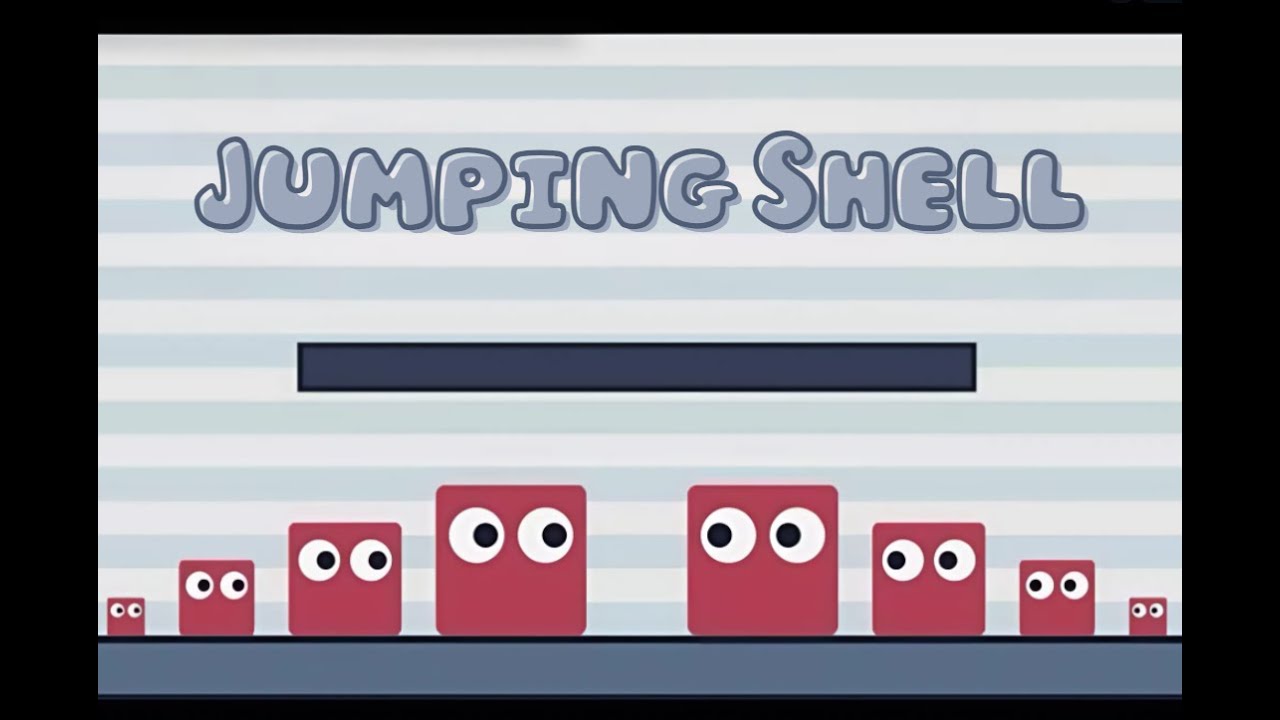
Arcade instinct meets pattern recognition in Jumping Shell, where the protagonist rides a shell through stages that demand sharp reflexes and even sharper timing. Obstacles arrive in waves and rhythms — some telegraphed, some deceptively quick — and the margin for error tightens with each level. The jump arc is consistent and learnable, which means failure is always honest: you misjudged the window, not the physics. That honesty makes the replay compulsive. One more run, one better read, one cleaner line through the gauntlet.
Reading Patterns Under Pressure
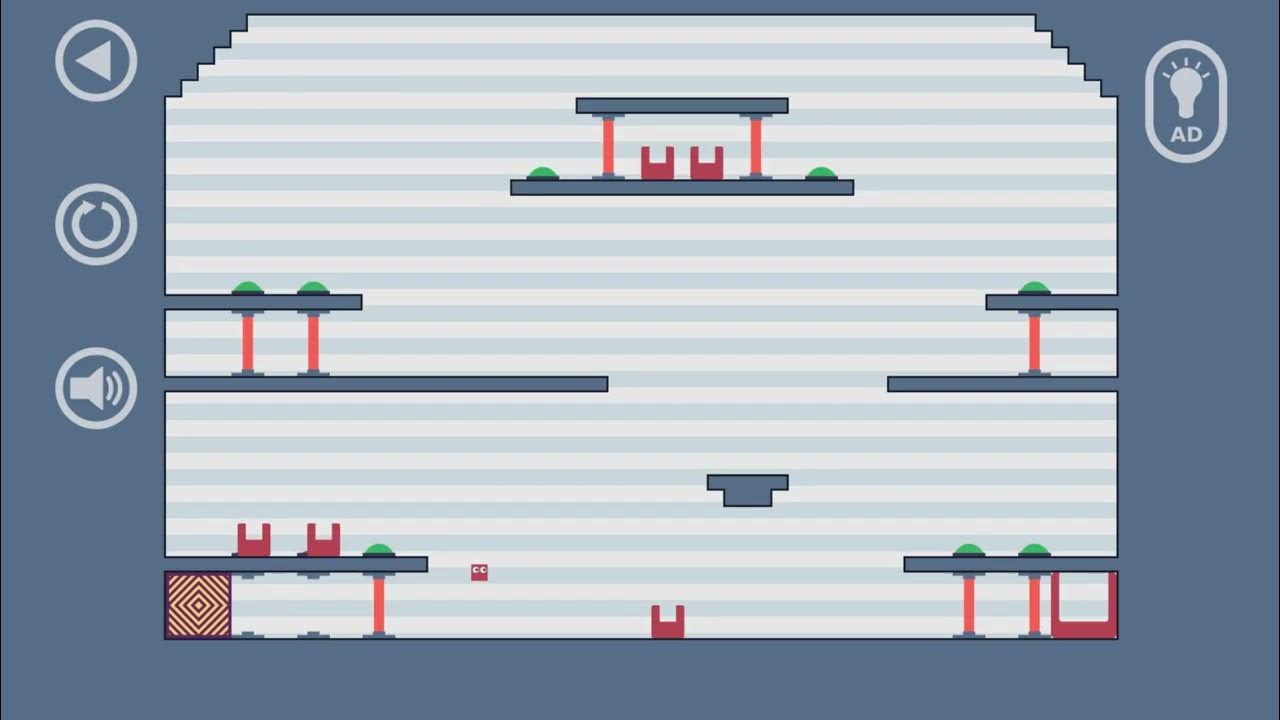
The early stages of Jumping Shell function as a timing tutorial disguised as entertainment — each sequence of obstacles is a puzzle whose solution is a specific rhythm of jumps. Memorising that rhythm is part of the challenge, but Jumping Shell throws variations at you fast enough that pure memorisation gives way to adaptability. Eventually you stop thinking about individual obstacles and start reading the flow of a sequence, committing to the jump before the threat is fully visible because you know what comes next. That transition from reactive to predictive is when the game becomes genuinely engaging.
The Quiet Satisfaction of a Clean Run
There is a particular pleasure in arcade games built on timing precision — a clean run through a difficult stage feels categorically different from a messy survival. Jumping Shell chases that feeling with a straightforward scoring structure that rewards consecutive hits, clean spacing, and minimal hesitation. The shell has weight and momentum, and when you are in sync with both, threading through a complex obstacle arrangement without breaking stride produces a small but unmistakable rush. That rush, reproducible in two-minute sessions, is why the restart button sees so much use.
Comments 0