










World 1-1 With Every Solid Object Replaced by Jello
Stefan Hedman’s Jelly Mario applies soft-body physics to the entire first world of Super Mario Bros and lets the consequences unfold. The ground sags underfoot. The pipes wobble and slowly collapse sideways. Question blocks jiggle when struck. Mario himself deforms under momentum — stretching when he accelerates, compressing when he lands — and the result is a level every player has memorised over decades behaving in ways that never match a single expectation. The coins are still there. The Goombas still walk their routes. The flag is still at the end. None of it stays where it should be.
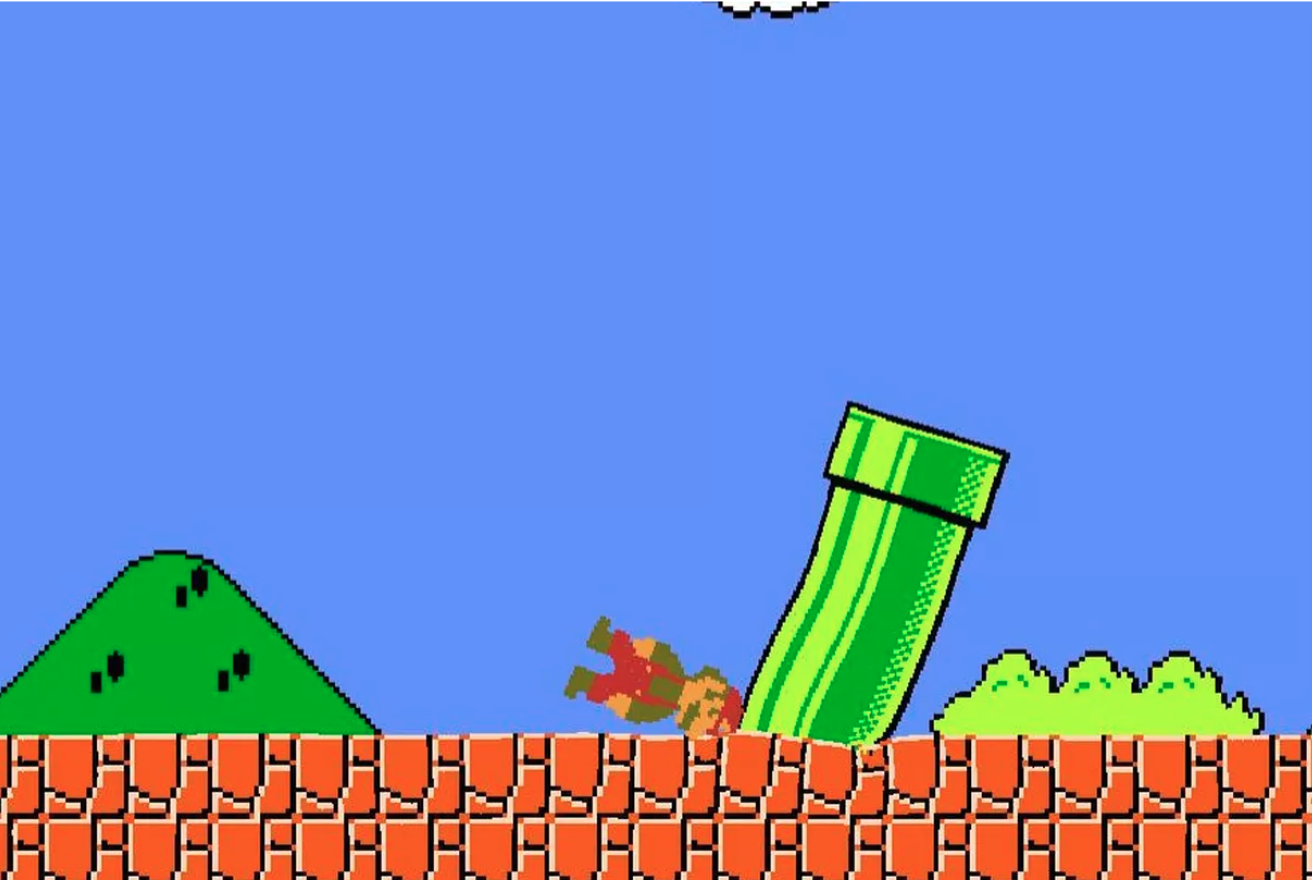
Goombas That Go Somewhere Completely Unexpected
The enemies retain their original patrol logic — walking back and forth on the same tiles as in 1985 — but soft-body physics turns every contact into a negotiation the game was never designed for. A Goomba that should be cleanly stomped instead bounces off at an angle, caroms into a pipe, and continues in an entirely different direction. The Koopa shell interaction produces outcomes too varied to list. The mushroom power-up still makes Mario bigger, which in Jelly Mario means more surface area for physics to act on and more spectacular ways for the next collision to go wrong.
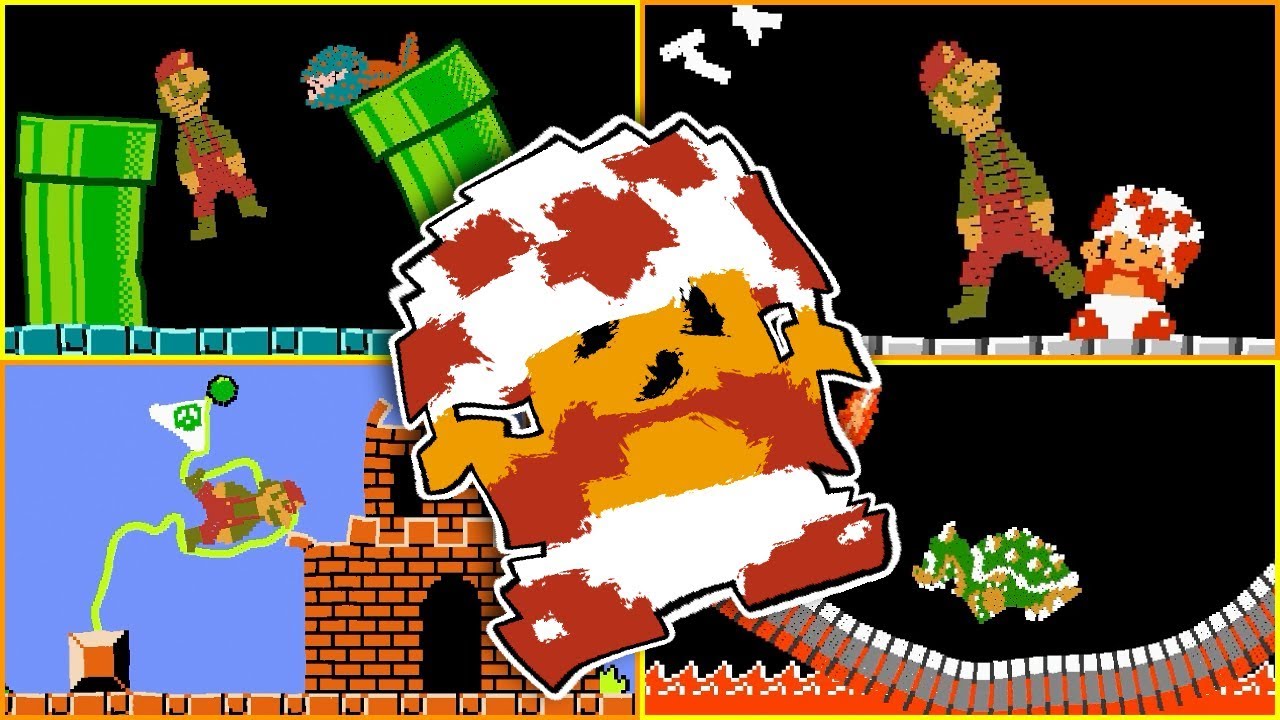
The Flag at the End Is Harder to Reach Than You Remember
Completing World 1-1 is technically possible, but the terrain between the start and the flag has become genuinely untrustworthy. The moving platform over the gap doesn’t hold its shape under weight. The staircase before the flag shifts and sags as Mario climbs. Players who know exactly where every coin and enemy sits still face unpredictable physics on every step, and the flag pole itself is a soft object that may not behave like a finish line. The destination exists. The route to it has been replaced by something that makes no promises about where anything will be when you arrive.
Comments 0