











Engineering Maximum Destruction, One Weapon at a Time
Suspended in the center of an empty room, your crash dummy waits. Happy Room hands you an expanding arsenal — spikes, chainsaws, fans, electricity nodes, explosives — and asks a single question: how much damage can you extract? There’s no failure state, no timer, and no pressure beyond your own ambition. Cash earned from each run buys upgrades; upgraded weapons deal more damage; more damage buys better upgrades. The loop is pure, satisfying, and completely consequence-free.
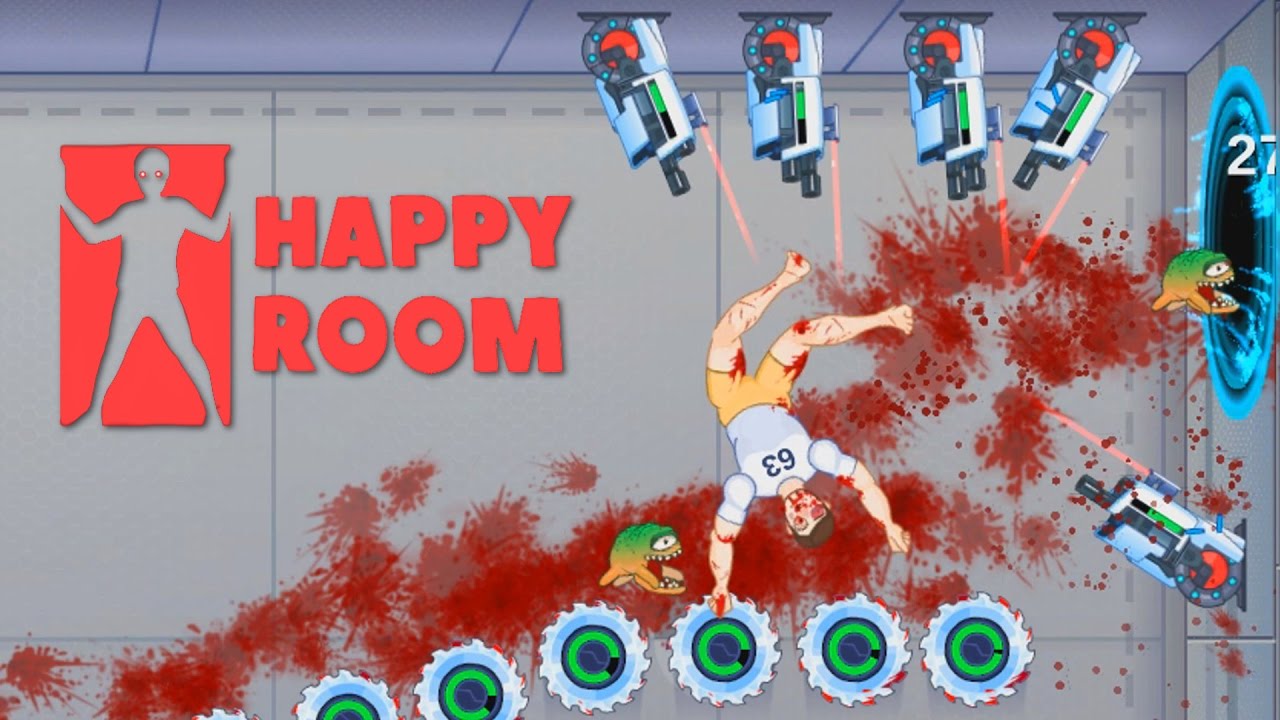
Momentum, Knockback, and the Art of Chain Damage
Placing weapons randomly produces modest numbers. Placing them with intent — angling a launcher into a cluster of spinning blades, positioning a fan to keep the dummy airborne long enough to pass through two electrified zones — produces the kind of score multipliers that make the damage counter genuinely hard to read. The physics respond with enough fidelity that a carefully designed room feels less like luck and more like architecture.
The Upgrade Spiral That Keeps Pulling You Back
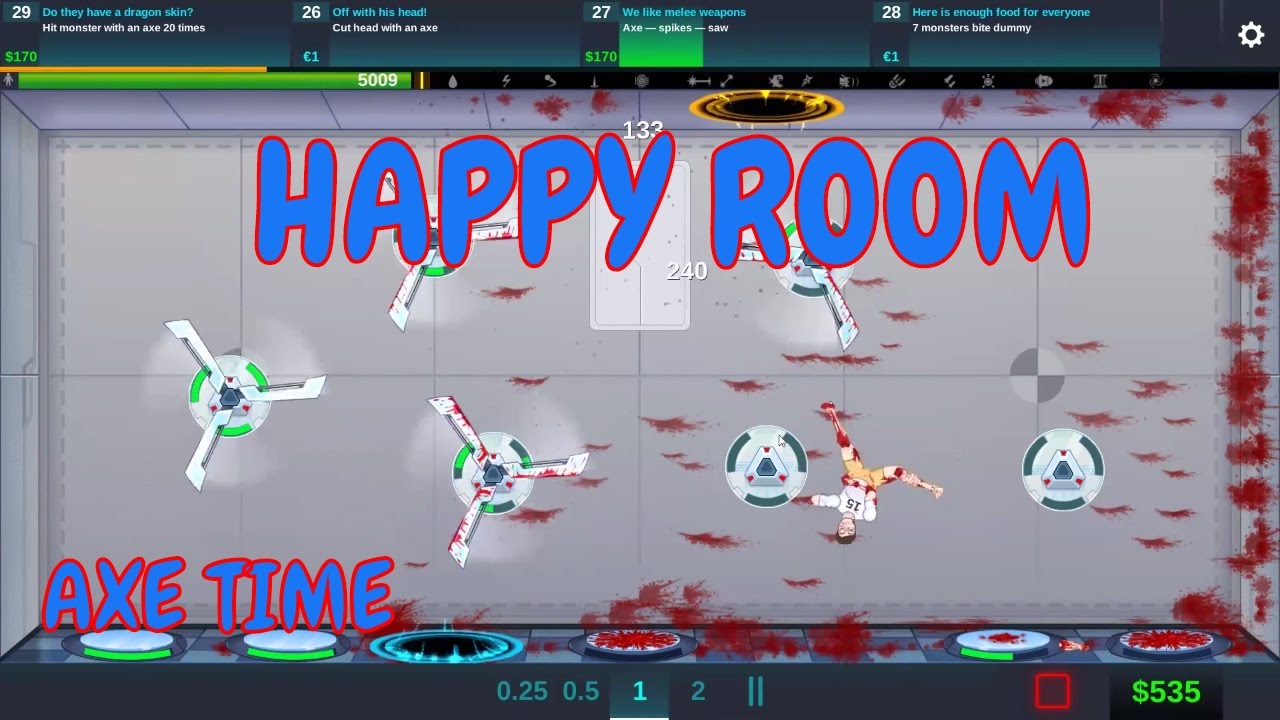
What makes Happy Room hold attention across sessions is the upgrade economy. Every weapon has several tiers, each visibly more destructive than the last, and unlocking a new tier reshapes what combinations are suddenly possible. A room that felt optimized at mid-tier becomes obviously primitive once the chainsaw gets a damage upgrade, prompting a complete redesign with the new ceiling in mind.
Comments 0