





High Noon in a Browser Window
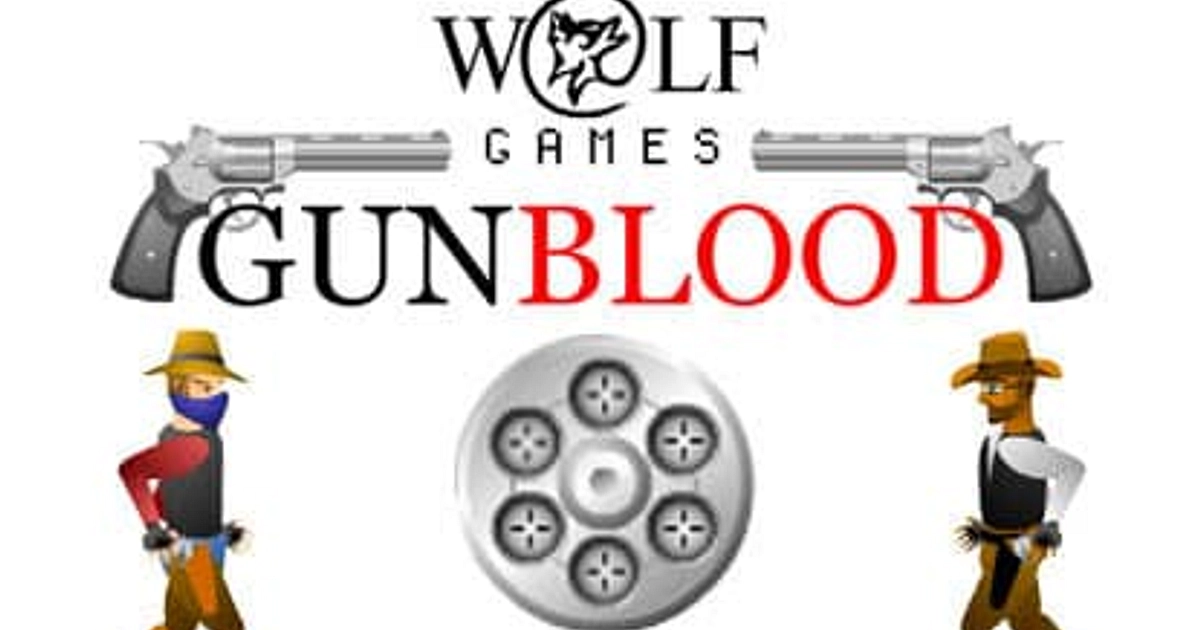
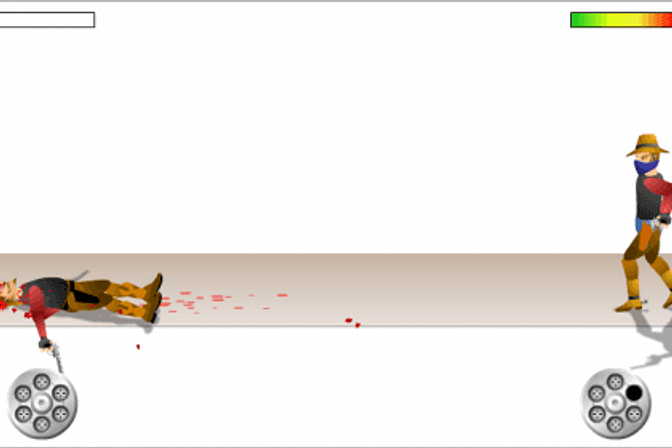
Gun Blood distils the western duel into its most essential components: two figures face each other at the edge of town, a signal fires, and the faster draw survives. Move the cursor to your holster before the cue, then sweep to the opponent and click before their bullet arrives. The window of tolerance is small and shrinks with each successive round, rewarding players who have genuinely internalized the timing rather than those who guess.
Obstacles That Complicate the Clean Draw
Later stages introduce environmental complications — opponents who duck behind cover, multiple enemies drawing simultaneously, and scenarios where shooting too early disqualifies you entirely. These additions transform what begins as a pure reaction test into something that requires reading the situation before acting: flinching at a false start, holding through a fake-out, tracking a moving target across the frame. Each new stage type demands a specific adjustment, and failing to make it promptly ends the run.
The Psychology of Waiting for the Signal
The game's most effective design element is the wait period before the draw signal. Knowing that a bullet is coming in seconds and being unable to act creates a specific tension that makes the draw feel physically urgent when the cue finally fires. Players who try to pre-empt the signal penalize themselves; those who hold composure and execute cleanly advance. Over eight duels, this loop builds into a genuine test of self-regulation under manufactured pressure — and it is surprisingly effective.
Comments 0