











Floppy Physics Meets Gladiatorial Depth
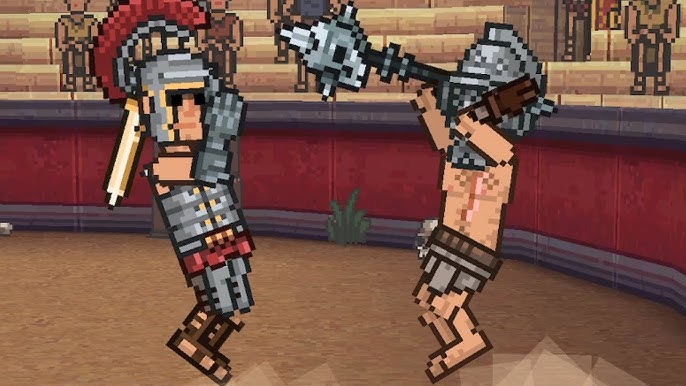
Gladihoppers pits elastic ragdoll warriors against each other in an arena where every lunge, thrust, and overhead swing is governed by springy physics that make each exchange unpredictable. Beneath the slapstick surface lies a real combat system: managing reach, timing strikes to connect with limbs rather than blocks, and targeting the weapon arm to disarm opponents before they can capitalize on your openings.

Gear That Reshapes How You Fight
Campaign and survival modes reward successful fights with equipment drops — helmets, shields, unusual weapons — each with different weight and handling characteristics that noticeably alter your movement profile. A heavy two-handed flail swings with devastating arc but leaves you overextended; a short dagger demands aggressive closing but punishes distance fighters. Experimenting with combinations turns gear collection into its own miniature strategy layer on top of the moment-to-moment combat.
Goofy Presentation, Serious Skill Ceiling
The flopping animations and exaggerated reactions make Gladihoppers immediately accessible and visually funny, which masks how much technical precision separates casual play from mastery. Landing a disarming hit on an aggressive opponent mid-charge, then following up before they recover, requires reading momentum in a physics sandbox rather than hitting scripted counters. That contrast between the game's comedic look and its genuine depth is exactly what makes it so compelling to return to.
Comments 0