











A Hammer, a Cauldron, and an Unforgiving Mountain
Bennett Foddy's deliberately punishing platformer places Diogenes — a man seated permanently inside a large metal cauldron — at the base of a mountain assembled from discarded furniture, boulders, and debris. In Getting Over It, the hammer is your only means of locomotion: plant it, lever off surfaces, and inch upward. There are no checkpoints. Every fall from a height you spent twenty minutes climbing is final, and Foddy narrates each setback with measured philosophical observations.
Mastery That Lives in the Wrist
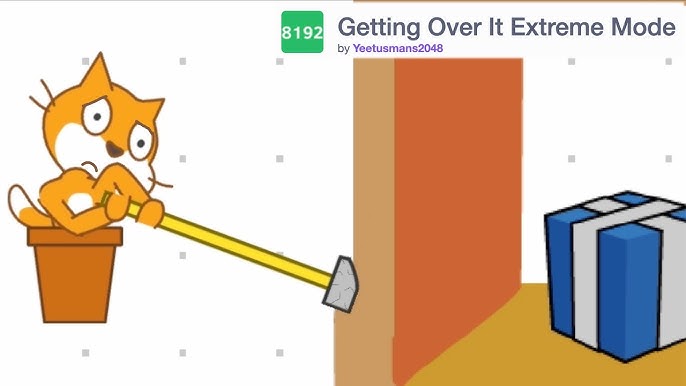
Progress demands an intimate understanding of the hammer's arc, the weight of the cauldron, and the specific geometry of each obstacle cluster. Surfaces that look like safe anchor points will spin you backward; overhangs that appear impassable yield to a practiced swing angle. The skill is entirely physical and entirely yours — no stat increases, no unlockable tools, no paths around the hard sections. The mountain does not change. You do.
Frustration as the Point, Not the Flaw
Foddy designed this game as a meditation on failure, and the experience bears that intent out. Players who push through the lowest emotional moments often describe a curious calm settling in — a detachment from outcome that makes each attempt cleaner than the last. Reaching the summit after dozens of catastrophic falls carries a weight that polished, forgiving games rarely produce. The mountain is the same for everyone. The difference is entirely in how long you stay.
Comments 0