





Two Bodies, One Floor, Zero Mercy
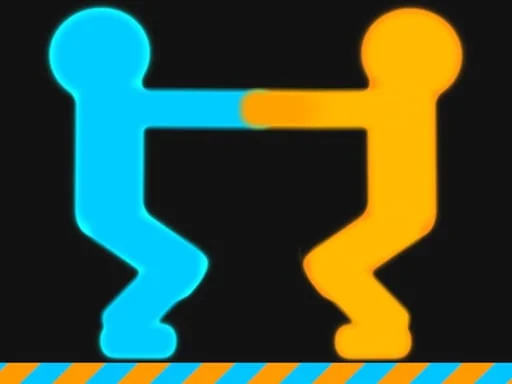
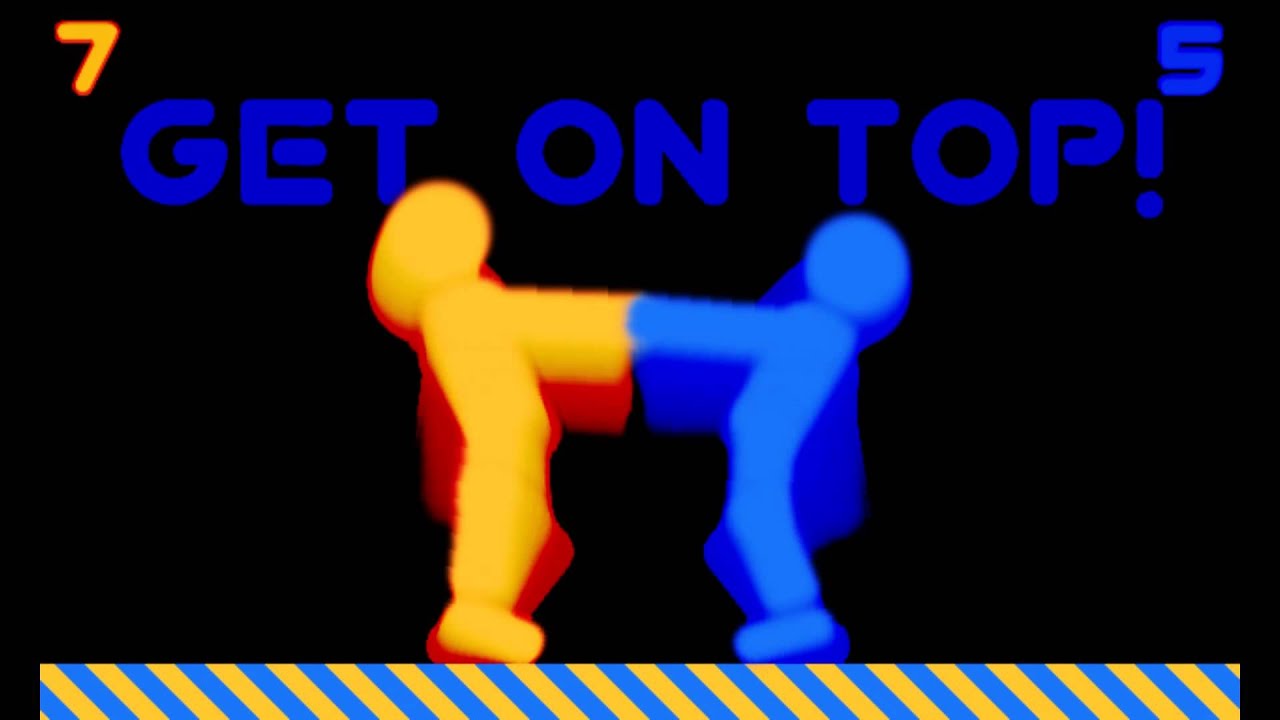
Get On Top strips competitive gaming down to its most primal form: two ragdoll figures sharing a single screen, each trying to topple the other. The controls are deliberately minimal — movement is all you have — yet the physics engine transforms every shift of weight into a tense back-and-forth negotiation. A small hop can unsettle an opponent’s balance; leaning into contact creates cascading momentum that neither player fully controls.
The Art of Reading Micro-Movement
Winning consistently requires learning to read your opponent’s center of gravity before committing to a lunge. Overextending often results in the attacker stumbling forward and landing face-first on the canvas. The best players exploit brief moments of instability — a slight wobble, a mistimed jump — rather than forcing confrontation directly. This reactive style gives the game a surprisingly cerebral quality beneath its silly exterior.
When One Round Is Never Enough
Rounds resolve in seconds, and the instant restart fuels a competitive tempo that is very hard to break. Whether played against a friend on the same keyboard or solo against the AI, the loop of tension, collapse, and rematch creates an almost hypnotic rhythm. Victories feel like genuine upsets; defeats demand immediate correction. Few two-player games pack this much drama into such a compact format.
Comments 0