









Keep Moving, Keep Shooting, Keep Earning
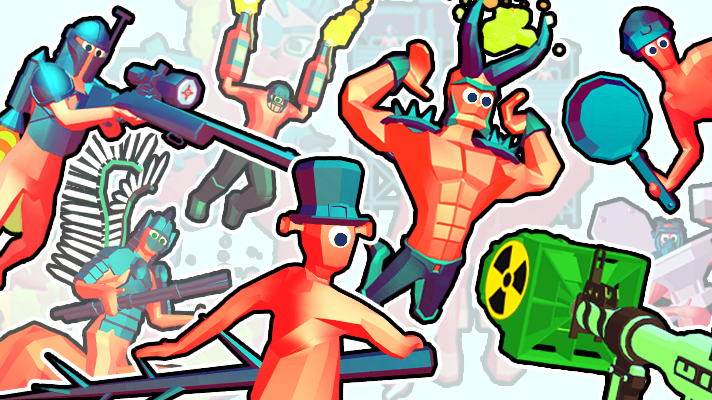
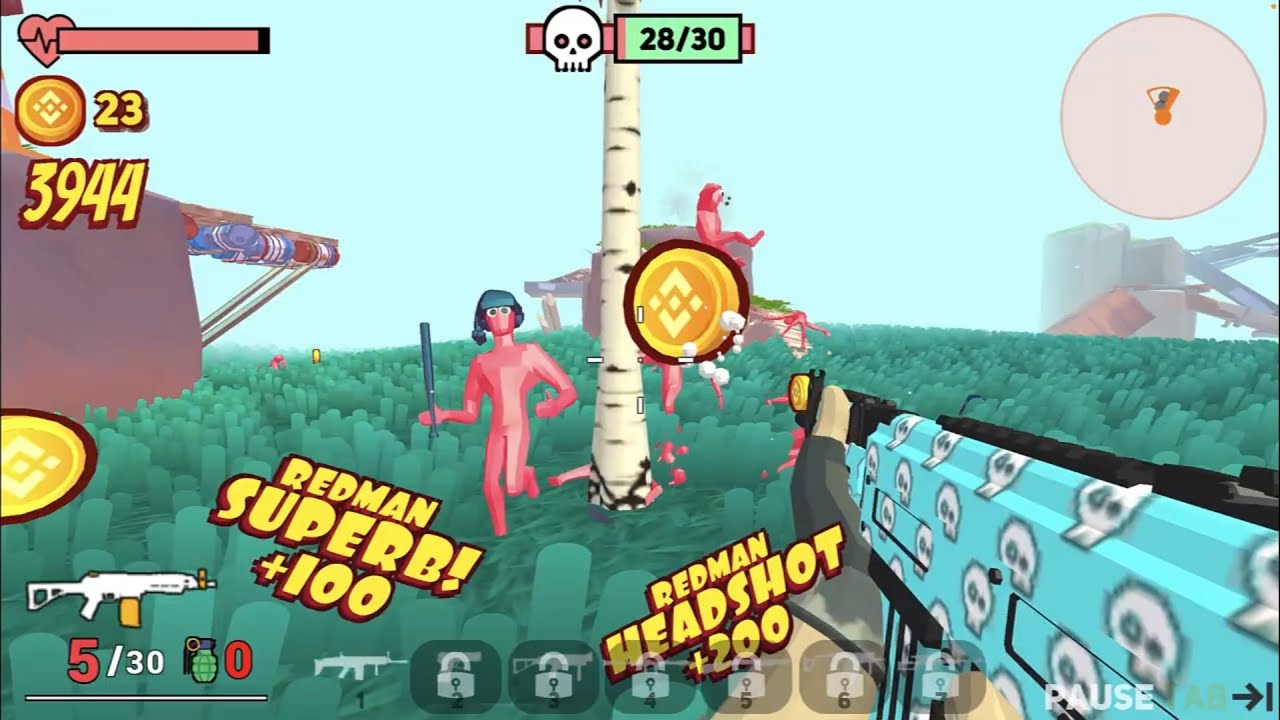
Funny Shooter 2 drops the player into an arena with waves of cartoon enemies that escalate in density, type, and aggression with each cleared round. Cash earned from kills funds weapon purchases and upgrades between rounds, creating a progression loop where early-game accuracy and survival translate directly into late-game firepower. The enemies are visually absurd — which is part of the appeal — but their behaviours are consistent enough to reward pattern recognition. Recognising which enemy types require immediate prioritisation versus which can be kited and eliminated opportunistically is the spatial awareness skill that separates efficient runs from increasingly panicked ones.
Movement as Damage Mitigation
Staying stationary in Funny Shooter 2 is the most reliable way to take unnecessary damage. Enemy projectiles and contact attacks are easier to avoid with consistent lateral movement — strafing continuously while maintaining aim keeps the player's position less predictable and reduces incoming hit frequency significantly. Kiting groups of melee enemies by moving backward while firing creates manageable distances; attempting to stand and trade damage with the same group accelerates health loss at a rate that the available healing options rarely fully compensate. Developing strafing as a default state rather than a reactive tactic is the fundamental mechanical discipline the game rewards.
Weapon Investment and the Upgrade Decision
Cash management between rounds involves a genuine trade-off between buying new weapon types and upgrading the current loadout. A mid-tier weapon with maximum upgrades often outperforms an unupgraded higher-tier weapon against the specific enemy compositions of the next few rounds — but a powerful new weapon with upgrade potential may accelerate progression past a difficulty spike that the existing loadout is struggling against. Identifying which waves are causing the most damage and selecting upgrades that directly address the threat type causing those losses is more efficient than investing in upgrades that improve already-comfortable matchups.
Comments 0