











The House Feels Different After Dark
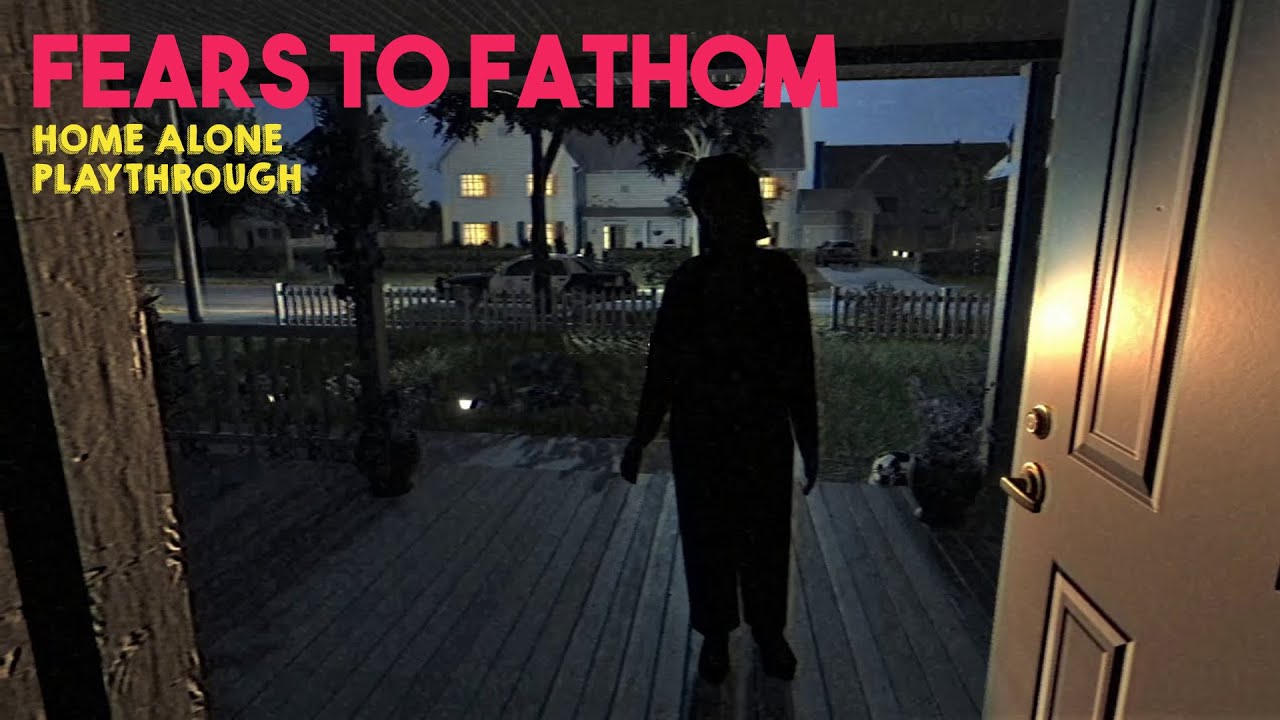
Reflection SF’s Fears to Fathom: Home Alone strips horror down to its most uncomfortable core: a teenager alone in a suburban house, a few hours that should pass without incident, and a creeping certainty that something is wrong. There are no jump-scare traps or scripted chase sequences — instead the episode layers ambient unease through mundane details. Phone notifications sit unanswered a little too long. A window you closed appears open again. The horror here is assembled from the specific texture of ordinary domestic life turned just slightly wrong.
What Silence Teaches You
The game’s pacing is deliberate by design. Wandering the house, reading notes left by parents, checking the locks — these actions feel rote at first, which is precisely the point. Reflection SF wants you settled into a rhythm before it disrupts it. When sounds arrive that don’t belong to the house, the player’s inventory of normal has already been established, and the deviation lands harder because of it. Moving slowly and paying attention to environmental storytelling reveals layers of backstory that rushed playthroughs miss entirely, and those details matter when the night turns threatening.
Horror Without a Health Bar
There is no combat in Fears to Fathom: Home Alone, no stamina meter, no weapon to locate. The only tools available are observation, decision-making, and whatever nerve you can hold onto when the atmosphere becomes suffocating. Choices made early in the episode cascade into the ending — locking a door at the right moment, calling someone instead of investigating personally, or simply choosing not to go into the basement. Each decision carries weight because the game respects the quiet logic of actual fear rather than gamifying it with explicit threat indicators.
Comments 0