











Your Pencil Is the Entire Game Engine
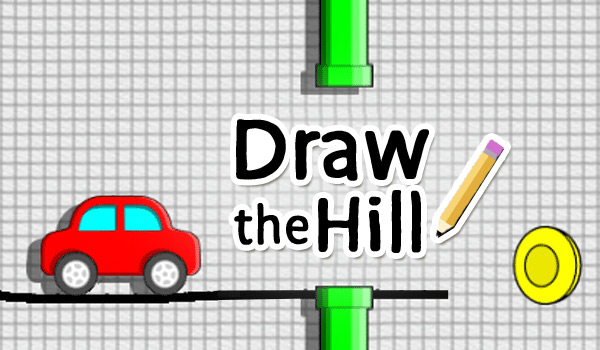
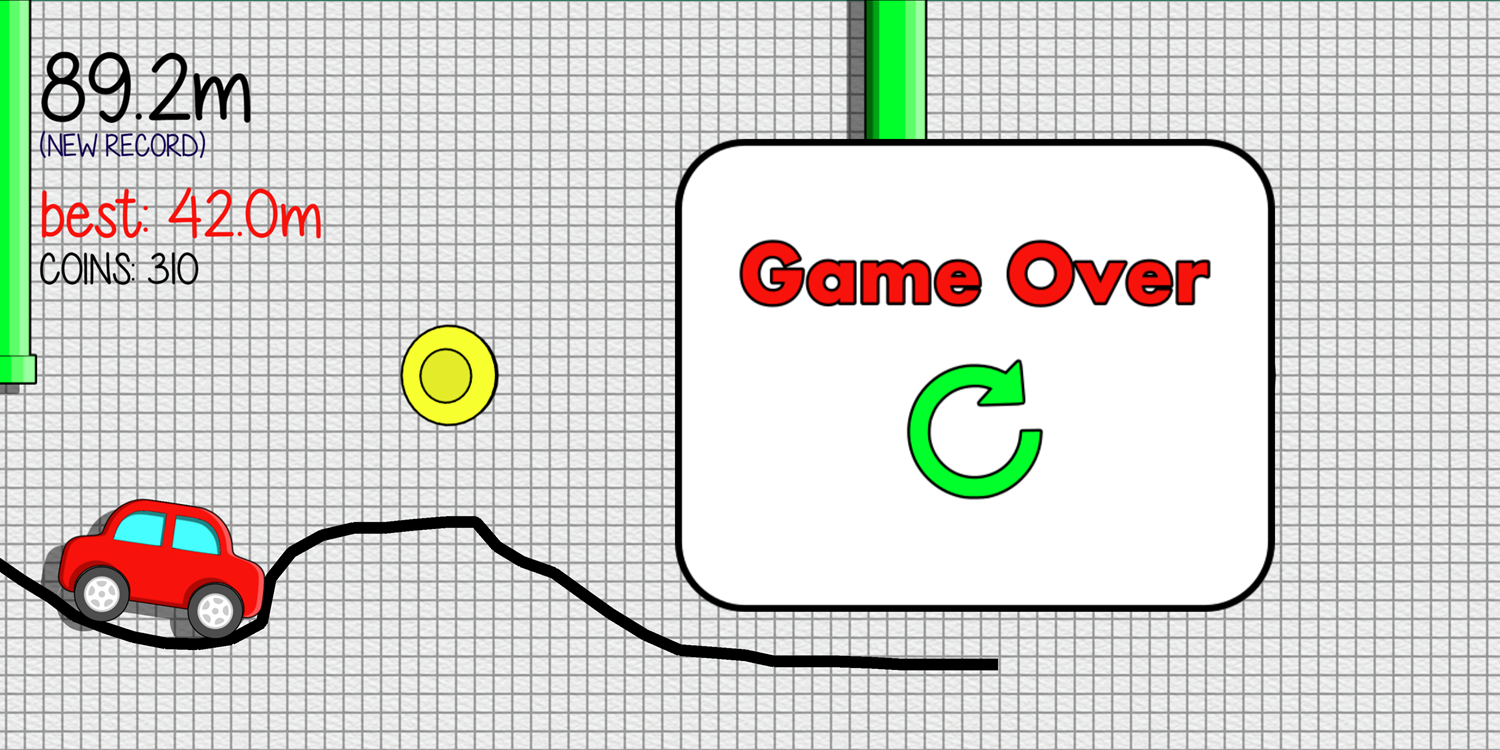
Draw the Hill is a physics puzzle game with a beautifully simple premise: draw a road, watch a vehicle attempt it, then iterate until your design actually works. You sketch terrain with your mouse — slopes, ramps, dips, bridges — and the game's physics engine does the rest, either confirming your engineering instincts or sending the car flying off a cliff you didn't think was steep enough to matter. The feedback is instant, the stakes are low, and the urge to try just one more approach is constant.
Friction, Momentum, and Unintended Launches
The pleasure of Draw the Hill comes from learning what the physics engine rewards and punishes. Gradual slopes carry momentum elegantly; sudden inclines pitch vehicles forward. A hill that looks smooth in the sketch can create an uncontrolled bounce at speed. Figuring out why a particular design fails — and correcting it with a subtle curve adjustment rather than a complete redraw — is exactly the kind of satisfying problem-solving the game is designed around.
A Sandbox With No Wrong Answers (Only Physics)
Unlike most puzzle games, Draw the Hill rarely locks you into a single solution. Any terrain that gets the vehicle to the finish without catastrophic failure counts as a win. This creates an open-ended quality that encourages wild experimentation alongside efficient problem-solving. The best moments are when an absurd drawing accidentally works perfectly — and the second-best moments are when it spectacularly does not.
Comments 0